


We don’t have Diana Teodorescu as often as we’d like as our guest at Community Talks, but, when it happens, we always manage to pick up things where we’ve left off, whether it is the subject of conversation, friendship or mood. Our latest discussion was centered around the healthy adult – how we recognize what it is and how we make it stick around as much as we can in order to lead a happy, fulfilling life.
Who Is the Healthy Adult, Our Inner Guide?
The healthy adult is an internal mode that balances emotion with reason, challenges distortions, and acts from long-term values rather than impulse or fear. It’s useful to contrast this with common inner modes like the critic or the avoidant part so participants can recognize when they’re not operating from a grounded, authentic place.
The conversation focused on practical application: how to access the Inner Guide through grounding, values clarification, boundary-setting, and honest self-assessment. Real-life scenarios, typical obstacles, and methods for sustaining the practice helped translate the concept into clear behavioral patterns rather than vague ideals.
Core Components of the Healthy Adult
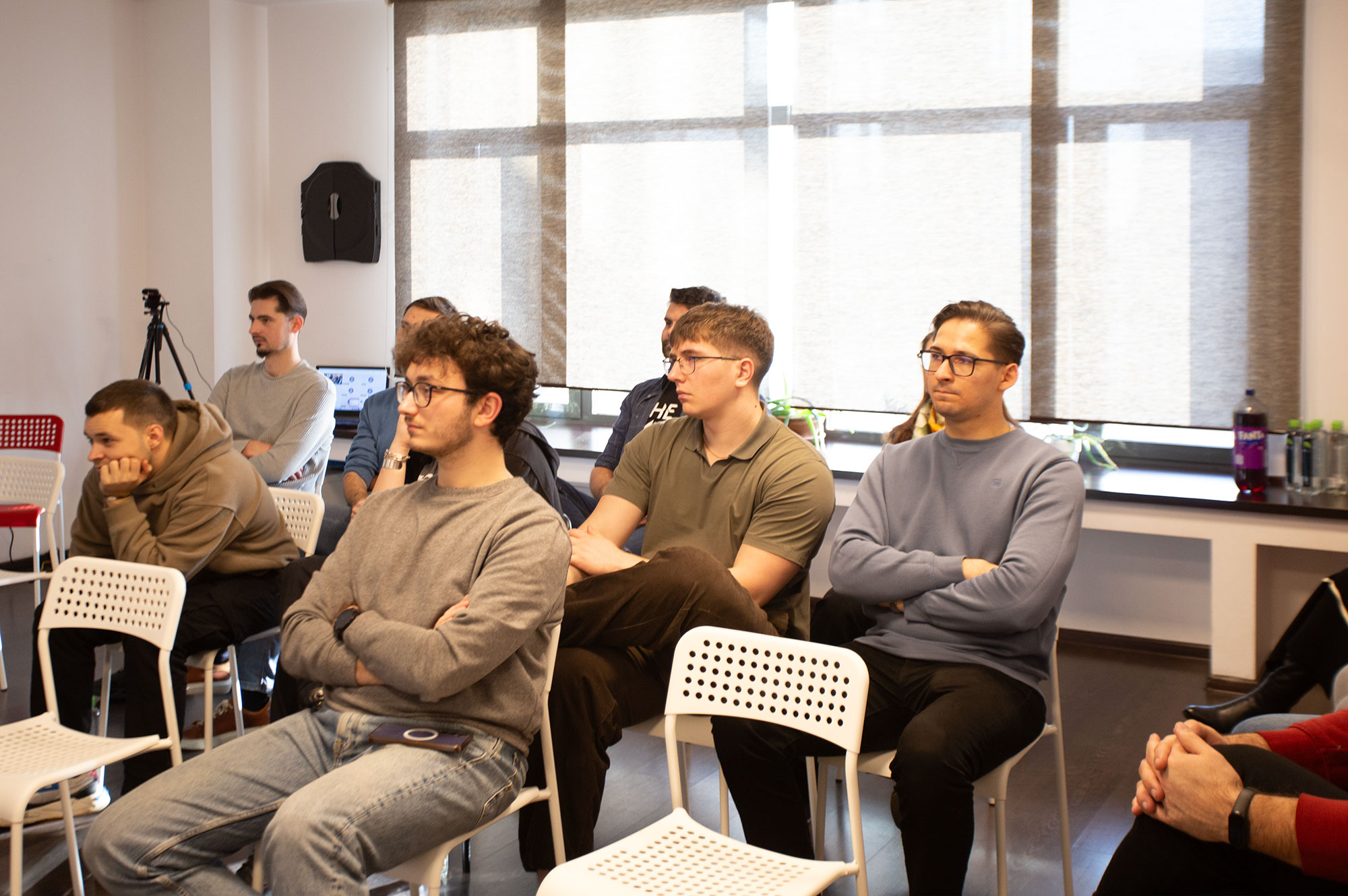
With Diana’s guidance we defined the tool-kit of the healthy adult. Here are some of its main components:
- Reality-testing and decision-making.
- Emotional regulation.
- Sense of humor.
- Self-compassion grounded in accountability.
- Long-term orientation vs. short-term relief.
- Empathy and compassion
Unhealthy Scenarios
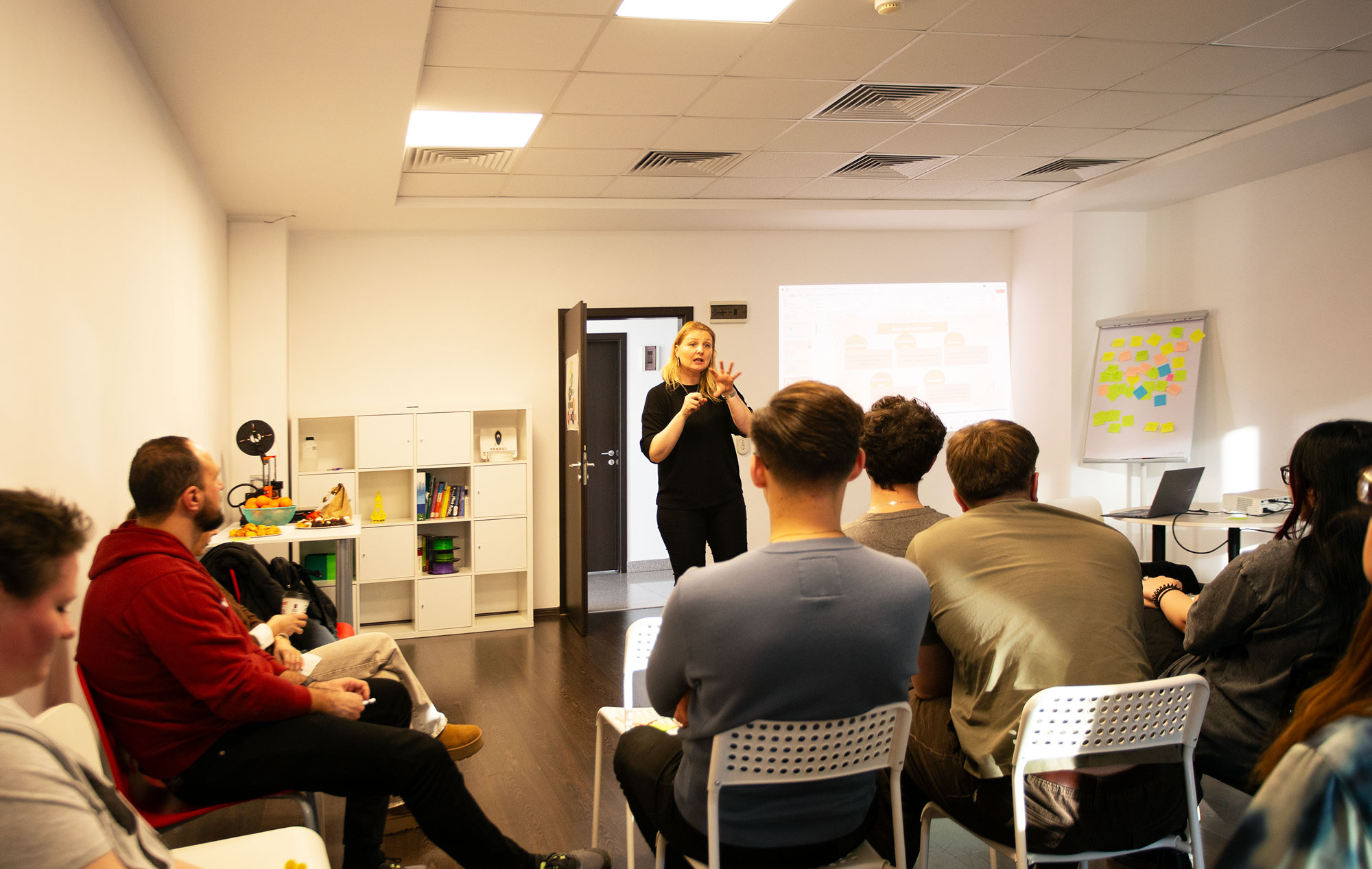
Also, we tried to recognize some of the unhealthy scenarios that can derail us from the healthy adult state. Here are some of the “black boxes” we usually activate:
- Interior critics (I am no good)
- Unexamined beliefs (I must be perfect)
- Fear (Something bad will happen)
- Addictions (to certain habits, to validation)
Coping Mechanisms
- Irony and sarcasm
- Deflection
- Overcompensation
Recognizing When You’re Not in Healthy Adult Mode
- Behavioral markers.
- Thought patterns or emotional signals.
- External stressors that trigger regression into less helpful modes.
How to correct course
- Become aware of your healthy tool-kit (skills)
- Acquire new tools in the kit, if necessary
- Learn to recognize faster when you are not in a Healthy Adult state and act more effectively to re-center yourself
- Aim to spend a higher percent of the time in a Healthy Adult state
Overall, the discussion was consistently useful, and we came away with another two hours’ worth of practical additions to our Healthy Adult toolkit.
About our Guest
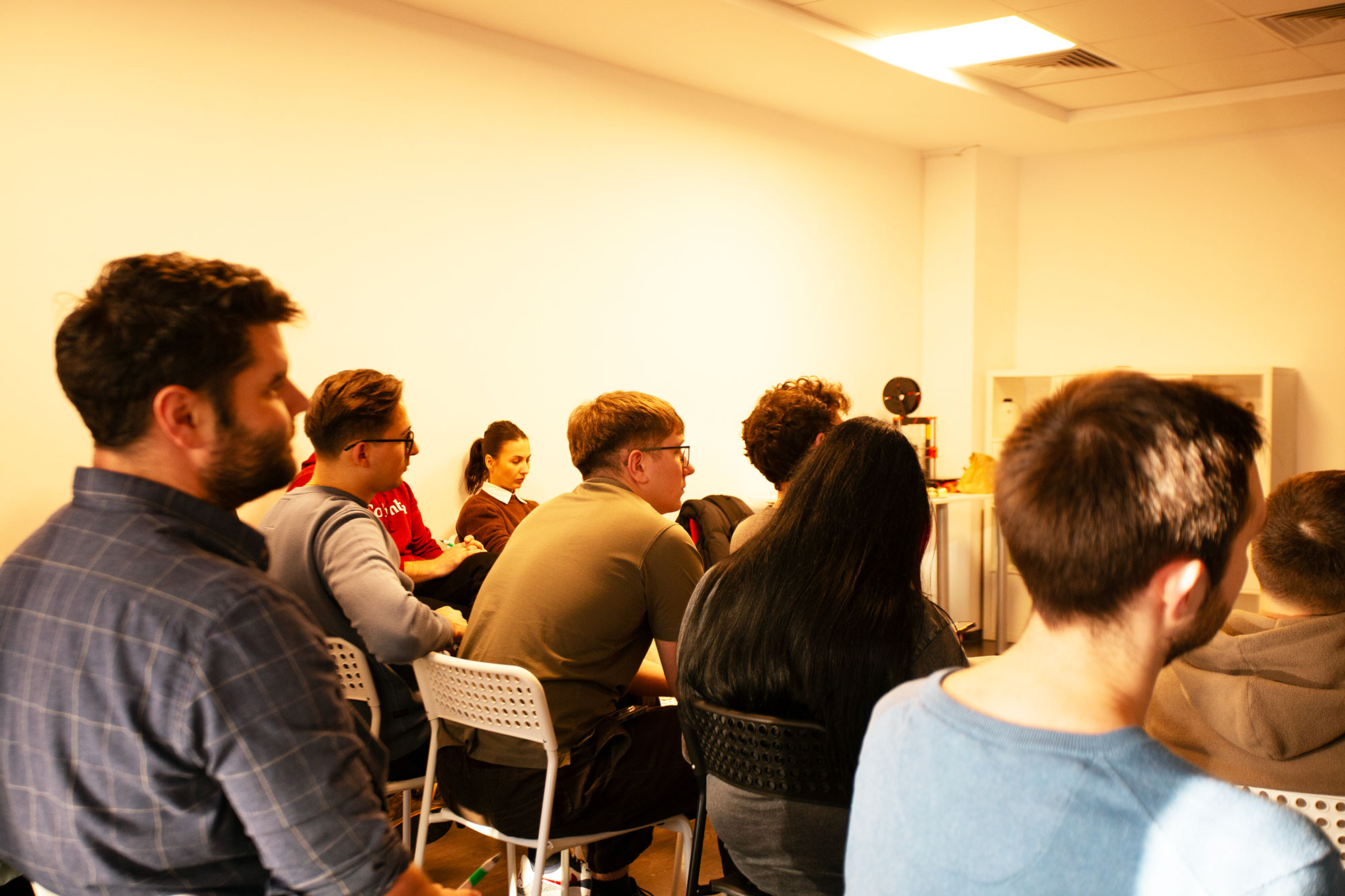
Diana Teodorescu is a psychotherapist, specializing in individual and group therapy, motivational workshops, retreat experiences, and psycho-educational activities for adults and children.
Diana is also a trainer by passion, successfully combining the latest trends in psychotherapy, with love for people and science, and designing her activity around learning, scientific facts, and holistic experiences.
Diana owns and manages Psychology Center Iasi and teaches as Associate Professor at the Faculty Of Psychology Iasi, „Alexandru Ioan Cuza” University.
What is Community Talks
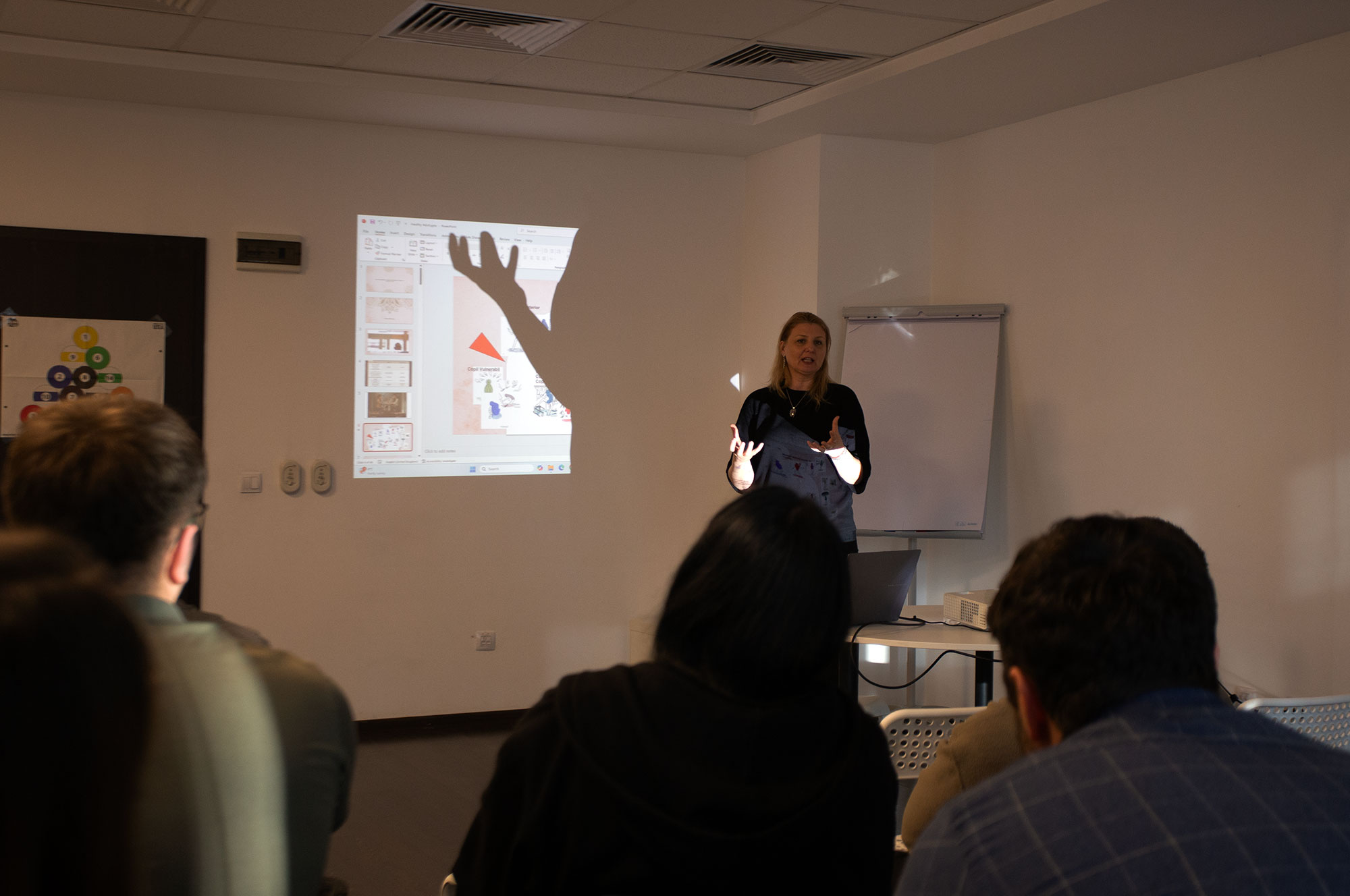
After all these years of hybrid/remote work we feel the need to, once in a while, get together and learn about inspiring stories from our line of work or from our community that are relevant to us.
With this idea in mind, we created a program called Community Talks. It is part of our larger discussion about tech storytelling and how to have better conversations in our everyday work.
Once a month, we want to invite somebody from outside RomSoft to share with us an inspiring story, or just to have an interesting conversation, be it in the technical area or anything else that we have a shared interest in.
Our guests will play the role of the Guide to any good story, helping us navigate through difficult challenges, acquire new skills, and understand where the opportunities lie in this rapidly changing world.